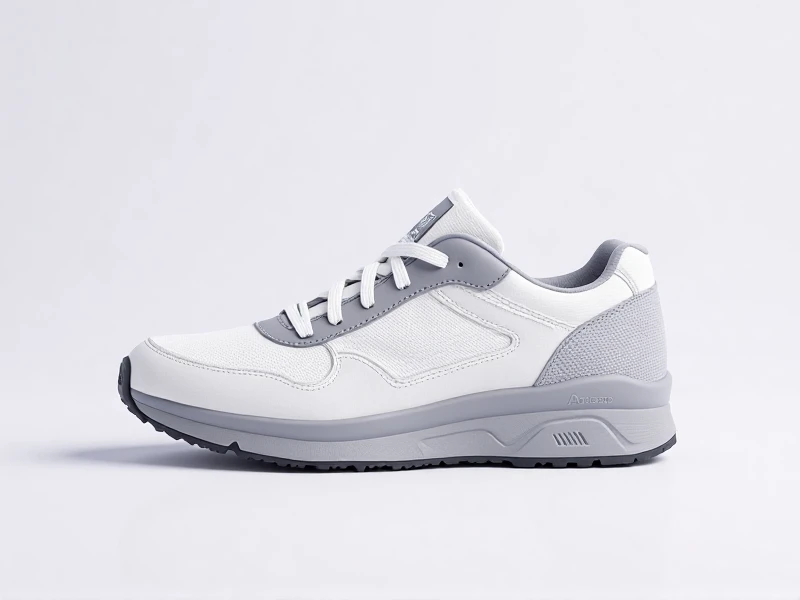
Your Ultimate Guide to Choosing High-Performance Sports Shoes
For any athlete or fitness enthusiast, sports shoes aren't just footwear—they're essential tools that can make or break your performance. Whether you're hitting the track, dominating the basketball court, or exploring hiking trails, the right pair provides support, cushioning, and comfort to prevent injuries and boost your results. In this guide, we'll dive into the key types of sports shoes, how to pick the perfect fit, and why investing in quality pays off in the long run.
First, let's explore the different categories of sports shoes. Running shoes, for instance, focus on lightweight design and shock absorption to handle repetitive impacts on hard surfaces. Think of models with responsive midsoles and breathable uppers that keep your feet cool during sprints or long jogs. Basketball shoes, on the other hand, prioritize ankle stability and traction for quick pivots and jumps, often featuring higher cuts and durable outsoles. For cross-training, versatile options offer balanced cushioning to support multidirectional movements in gym sessions, while trail shoes provide rugged grips and waterproof features for all-day adventure hikes. By matching your shoe to your specific activity, you'll minimize strain and maximize efficiency—say goodbye to post-workout soreness!
Choosing the right sports shoes doesn't have to be tricky. Start with your foot type: flat feet benefit from extra arch support, while high arches need enhanced cushioning for impact relief. Size fitting is crucial too—aim for about a thumb's width of space at the toe to avoid blisters or discomfort during intense workouts. Try shoes on with the socks you'd normally wear, and always test them with light movements like jogging or jumping. Look for features like breathable mesh materials and sturdy outsoles that grip well on various terrains. Don't forget to rotate your pairs; alternating between them can extend their lifespan and reduce wear patterns.
In recent years, innovations in sports shoes have made them more responsive and eco-friendly, with brands using recycled materials to cut environmental footprints. For peak performance, consider replacing your shoes every 300-500 miles to ensure cushioning remains effective. Ultimately, top-notch sports shoes will transform your workouts by reducing injury risks and enhancing agility—so treat your feet well while aiming higher in any sport!