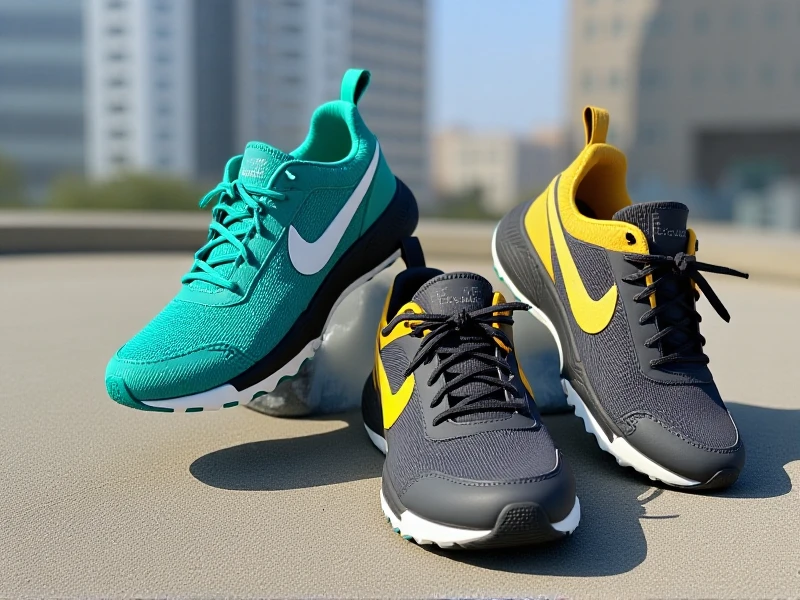
Finding Your Perfect Pair of Sports Shoes: Comfort Meets Performance
Let's be honest: uncomfortable sports shoes can ruin your workout, your walk, or even your day. The right pair isn't just about style; it's the foundation for peak performance and injury prevention. Choosing from the vast array of sports shoes available requires focusing on your needs, not just the trends. The journey starts by understanding what makes sports shoes work for you.
First, consider arch support. Do you have flat feet (overpronation), high arches (supination), or neutral alignment? This dramatically impacts stability and how much cushioning you require. Sports shoes designed for overpronation offer extra medial support, while those for supination provide enhanced cushioning on the outer edge. Getting this wrong can lead to aches and pains from your feet up to your knees and back. When unsure, a gait analysis at a specialized sports shoe store is invaluable.
Activity is paramount. Running shoes prioritize impact absorption and forward motion. Features like a curved sole encourage smooth heel-to-toe transitions. Court sports shoes (for basketball, tennis, volleyball), demand superior lateral stability for quick side-to-side cuts. Their soles are generally flatter and wider for a solid base. Cross-training shoes strike a versatile balance, suitable for gym sessions, HIIT classes, and light weightlifting where movement is multi-directional. Hiking? Trail-specific sports shoes deliver grip and ankle support on uneven terrain.
Cushioning & Responsiveness are key comfort and performance factors. Maximalist sports shoes with thick midsoles offer plush cushioning for long runs or joints needing extra protection. Minimalist styles provide a barefoot feel for shorter runs focused on form and ground connection. Responsive cushioning delivers energy return, often through specialized foam or air units, helping propel you forward.
Fit is non-negotiable. Sports shoes should feel snug but not tight. Aim for about a thumbnail's width of space at the toes. Your heel should be locked in without slippage. Width matters greatly – narrow or wide foot options exist. Feet swell later in the day, so try shoes on then. Wear the socks you plan to exercise in. Always walk, jog, or jump around the store to ensure they feel right in motion!
Essential Tips:
- Replace Regularly: Even durable running shoes lose cushioning and support after 300-500 miles. Old sports shoes are a leading injury cause.
- Socks: Moisture-wicking athletic socks prevent blisters; cotton retains moisture. Thin or thicker depends on personal preference.
- Try Before You Buy: Online browsing is great, especially for deals, but fit differences across brands and models necessitate in-store testing.
- Prioritize Comfort: No "breaking in" period is needed for quality sports shoes. If they aren't comfortable immediately, try different ones. Never compromise on fit for pure aesthetics!
- Breathable Materials: Look for mesh uppers for ventilation during intense activity.
Finding your ideal sports shoes is an investment in your health and enjoyment. By focusing on your foot type, specific activity, desired support level, cushioning preference, and, most crucially, an impeccable fit, you'll step confidently towards better performance, more significant comfort, and a much happier workout experience. Don't settle for anything less than the perfect fit for your feet and your goals!