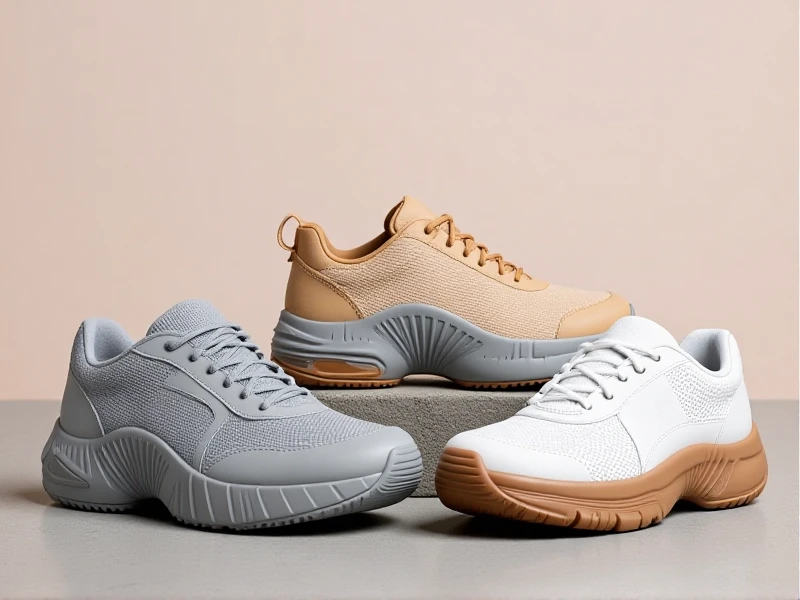
3 Must-Know Tips Before Buying Your Next Pair of Sports Shoes
Here is a professional and natural-sounding SEO article focused on "Sports Shoes," written as requested:
Finding the perfect pair of sports shoes can feel overwhelming. The aisles (virtual or real) are flooded with options boasting different tech, designs, and promises. Whether you’re training for a marathon, hitting the basketball court, or just prioritizing comfort during daily errands, the right footwear is crucial for performance and preventing injury. Stop the frustrating cycle of buying shoes that don't quite work – let these essential tips guide your next sports shoe purchase effectively.
First, Define Your Activity. "Sports shoes" is a broad term. Function dictates form. Are you primarily running? Opt for dedicated running shoes designed for forward motion with specific heel-to-toe cushioning. Playing hard court basketball or tennis? Prioritize high-top or stability basketball shoes or court-specific cross trainers offering ankle support and lateral support crucial for quick side-to-side moves. Need shoes for HIIT, strength training, or studio classes? Look for versatile training shoes providing a stable base for lifting and multi-directional movement. Don't try to force a running shoe to excel on clay courts!
Next, Understand Key Technologies & Materials. While brand names grab attention, focus on the tech impacting your needs:
- Cushioning: This absorbs impact. Options range from soft, pillowy foam (great for long runs/joint comfort) to firmer, more responsive foams (ideal for speed or court feel). Don't just go for "most cushion" – match it to your purpose and preference.
- Support/Stability: Crucial if you overpronate (your foot rolls inward excessively). Look for denser medial (inner-side) posts or structured arches. Neutral runners often prefer flexible, less restrictive designs. Motion control shoes offer maximum support for significant overpronation. An honest analysis of your gait is key.
- Upper & Fit: Breathable mesh keeps feet cool. Seamless construction reduces chafing. The fit (length, width, volume) is paramount. Your sports shoe should snugly cradle the heel and midfoot without restricting the toes. Remember, sizes vary greatly between brands and models – try them on or research sizing carefully!
Finally, Prioritize Fit and Feel. Even the highest-tech shoe fails if it doesn't fit right. Always measure both feet (one is often larger) later in the day when feet naturally swell slightly. Try shoes on wearing the socks you typically wear for your activity. Give yourself ample space (about a thumb's width) between your longest toe and the end of the shoe. Actively mimic your sport's movements: jog, jump, or lunge in the store aisle or at home within the return policy period if buying online. I remember buying a pair that felt "okay" static; thankfully testing the jump convinced me to size up! Pay attention to any pinching or pressure points (like proper width across the ball of the foot) – these rarely disappear, especially considering the durable outsoles made from high-abrasion rubber.
Don't settle for trendy looks alone. Take the time to match the sports shoes precisely to your activity, understand the technologies serving your feet best, and above all, prioritize a superb, comfortable fit. Your ultimate comfort and performance – from pavement to treadmill – absolutely depend on this essential gear. Take control and feel the difference!