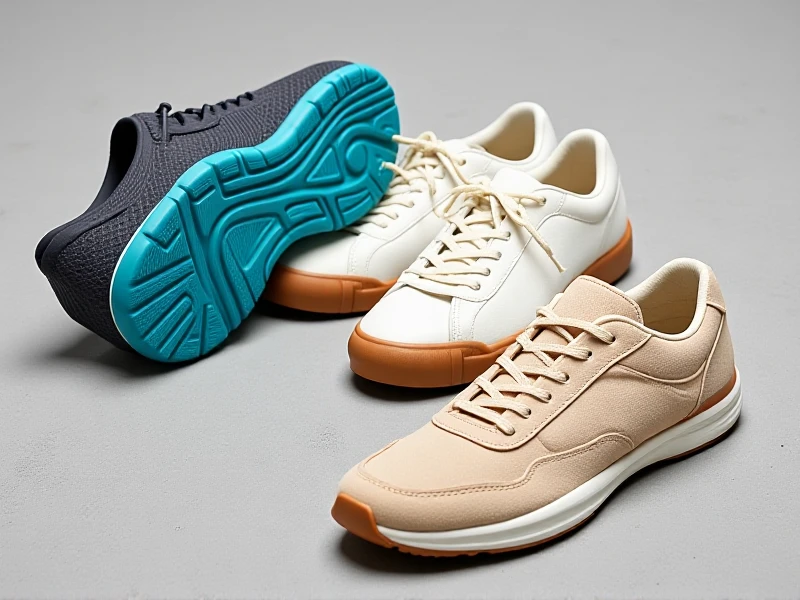
Finding the Perfect Pair: Your Ultimate Guide to Sports Shoes in 2023
Ready to up your game? Choosing the right sports shoes isn't just about looking good; it's the foundation of performance, comfort, and injury prevention. With so many options flooding the market, finding the best "sports shoes" for your specific needs can feel overwhelming. Forget settling for ill-fitting or damaging footwear; this guide cuts through the noise. Whether you're pounding the pavement, hitting the trails, dominating the court, or lifting in the gym, the ideal shoe makes a world of difference.
Why Specificity Matters in Sports Shoes Gone are the days of one-size-fits-all sneakers. Modern sports shoes are meticulously engineered for distinct activities:
- Running Shoes: Prioritize cushioning and shock absorption to handle repetitive impact. Look for key features like responsive midsoles (often using EVA foam, TPU, or Pebax technologies), breathable uppers, and durable outsoles with flex grooves. Stability or motion control features are vital for certain foot types.
- Basketball Shoes: Demand ankle support, lateral stability for quick cuts, and cushioning for jumps. High-top or mid-top designs are common, along with grippy, non-marking outsoles perfect for indoor courts.
- Cross-Training Shoes: Your versatile gym companions. They offer a balanced blend of stability for lifting, cushioning for moderate cardio, and lateral support for agility drills. Look for a flatter, more stable base than a running shoe.
- Walking & Casual Athletic Shoes: Focus on all-day comfort with ample cushioning, good arch support, and flexible soles for natural gait motion. Breathability remains key.
- Trail Running/Hiking Shoes: Rugged outsoles with aggressive lugs offer superior grip on loose or uneven terrain. Added protection from rocks and roots and often enhanced water resistance features.
Beyond the Sport: Fit is King Finding the perfect "sports shoes" requires prioritizing fit above all else. Here’s the lowdown:
- Measure Your Feet: Sizes change over time! Get measured professionally, especially later in the day when feet are slightly swollen. Know both your foot length and width.
- The Thumb Rule: Aim for about a thumb's width (roughly half an inch) of space between your longest toe and the end of the shoe. This prevents bruising during downhill runs or impact.
- Heel Lock: Your heel should sit snugly without slipping. Excessive movement causes blisters and instability.
- Width Matters: Avoid shoes feeling too tight across the forefoot. Your foot should be comfortable without being squeezed.
- Try Them On With Purpose: Wear the socks you'll exercise in. Walk, jog, jump, or mimic your sport's movements in-store if possible. Pay attention to any pressure points or rubbing.
Tech & Trends: What You Need to Know Sports shoe tech evolves rapidly. Expect innovations in cushioning (softer, bouncier, or more energy-returning foams), lighter and more breathable materials (knits, engineered meshes), and sustainability initiatives (recycled materials like ocean plastic, natural alternatives). The emphasis is on personalized support and maximizing performance efficiency.
Invest in Your Foundation Don't underestimate the power of the right sports shoes. They influence your comfort, performance, endurance, and long-term joint health. Ditch worn-out pairs (typically every 300-500 miles for runners) and replace them before they lose support and cushioning. Take the time to understand your needs, prioritize proper fit, and research the best options for your chosen activity. Your feet – and your performance – will genuinely thank you. Visit your local specialty sports shoe store for expert fitting advice and experience the difference for yourself!